
When it comes to Assisted Living Placement…
You’re not failing them. You’re protecting them.
Because this choice matters—and
Over 4,000 Florida Families Trusted Us to Get It Right
Tell Us What’s Going On — We’ll Handle the Rest
- Speak to a senior care advocate within minutes
- No Cost to Families — Paid by Partner Communities
- Same-Day Response
35 Years Placement Experience, 4,000+ Families Served
- Placement Available in as Little as 24–72 Hours


Trusted by Hundreds of South Florida Families
How Our Service Works Financially
Our services are provided at no cost to you or your family. We are compensated by the senior living communities only if you choose to move forward with a placement.
In most cases, this compensation comes from the community’s existing marketing or advertising budget, not from you and not as an added fee to your cost of care.
Working with our agency does not increase your rate and does not change what you would pay if you went directly to a community. In many cases, we’re also able to help families secure better pricing, added incentives, or overall greater value based on our relationships and experience.
How It Works
We take the guesswork out of senior care. Our local experts guide you through a streamlined transition—managing assessments, tours, and paperwork so you can focus on what matters most: your family.
Step 1:
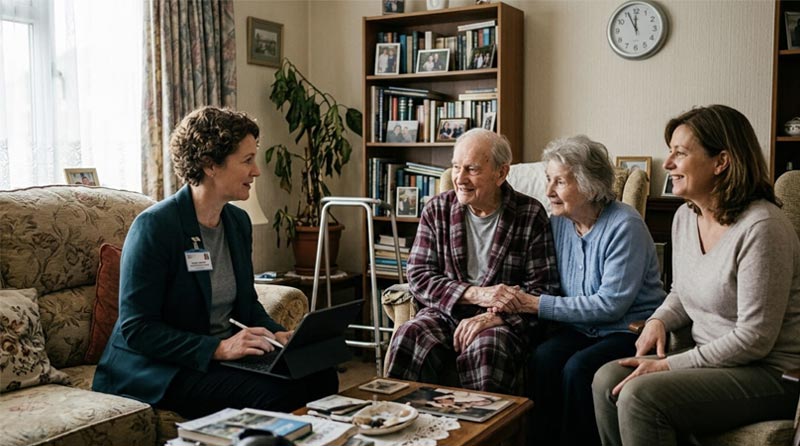
We Gather Information
Step 2:
We Formulate & Tour

Step 3:
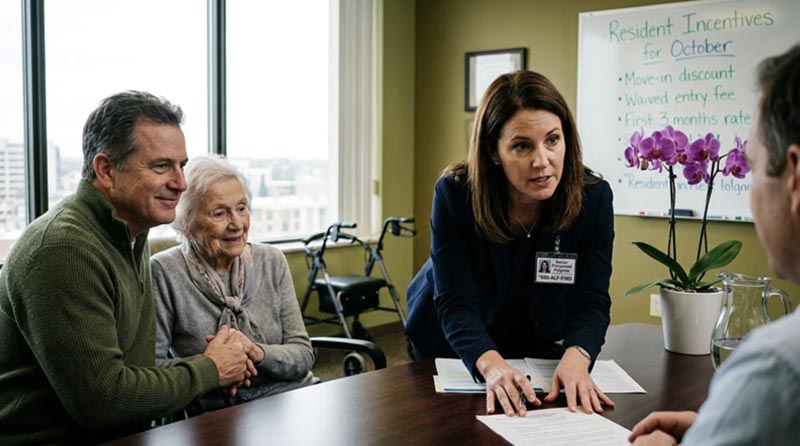
Logistics & Negotiation
Step 4:
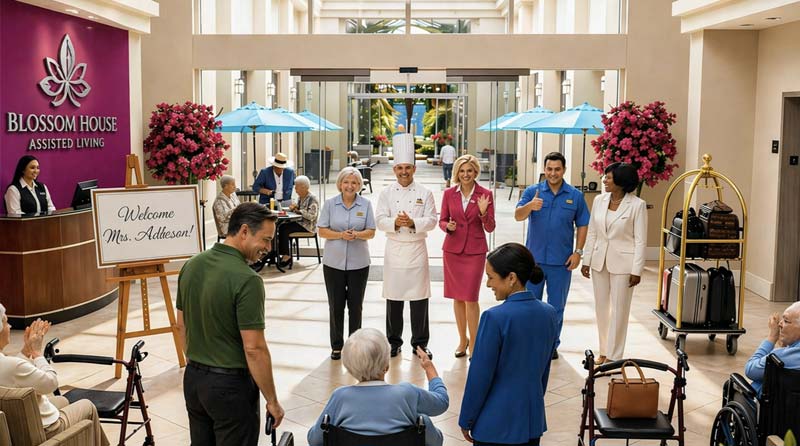
Transition: and coordination
Step 5:
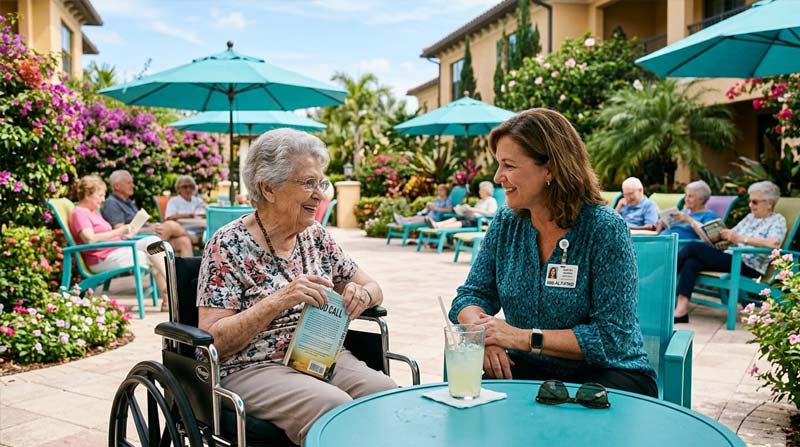
Ongoing Placement Support
We Gather Information
Our proven process begins with a personalized, face to face assessment of your loved one to fully understand their unique situation. We evaluate clinical care needs, medical considerations, activities of daily living support, lifestyle and social preferences, spiritual considerations, geographic priorities, and financial parameters, ensuring no detail is overlooked. Just as importantly, this time together allows us to connect in a warm, authentic space, answering questions, offering clarity, and helping to ease any fears or uncertainty along the way.
All of this information is then thoughtfully integrated into our proprietary model, enabling us to identify and recommend communities best suited to meet those specific needs with precision, compassion, and long term success.
We Formulate & Tour
All of this information is then thoughtfully integrated into our proprietary model, enabling us to identify and recommend communities best suited to meet those specific needs with precision, compassion, and long term success. These communities are carefully selected based on the client’s assessment, budget, and social and lifestyle preferences.
Once we have identified the best options, we coordinate and attend tours with you and your loved one, when appropriate, to ensure you are seeing beyond the brochure and experiencing what daily life truly looks like in real time. These tours are highly recommended, as involving the future resident in the process fosters inclusion, builds confidence, and helps dispel any preconceived notions that may have previously created resistance.
Logistics & Negotiation
We are committed to advocating for you every step of the way, ensuring that rates and incentives are aligned with fair market value and your family’s financial needs. In addition, we guide you through all transition paperwork and manage essential details to make the move as smooth, seamless, and stress-free as possible.
Transition Coordination and Move In Support
Once the right community has been selected, we help coordinate the many details that make a move feel organized, safe, and far less overwhelming. We can help connect families with affordable moving resources, offer guidance around furniture and logistics, and help ensure critical durable medical equipment such as a hospital bed, wheelchair, walker, or other physician ordered items have been arranged through the discharge team and are delivered or in route on move in day.
We also help support a smooth transition by confirming important paperwork accompanies the move, including medication lists, the state required 1823 form, personal belongings, and medications. If something important is overlooked, with family authorization we can often help retrieve needed items or arrange assistance.
Equally important, we help facilitate a warm introduction into the new environment. We help ensure your loved one is acquainted with key department leaders, from nursing and administration to activities, housekeeping, and maintenance, so they know who to turn to with questions or needs and feel supported from day one. We also encourage early social integration by helping introduce your loved one to residents and community life right away, easing those “first day jitters” and reducing feelings of uncertainty or isolation.
This thoughtful, multipronged approach helps foster comfort, trust, confidence, and a calmer transition into a new chapter.
We Formulate & Tour
The final step in our process is ongoing follow up and support. Within the first four to six weeks, we typically visit each newly placed client at least twice to ensure they are acclimating comfortably to their new environment and beginning to integrate socially. During these visits, we provide a trusted space for them to share questions or concerns with their senior care advocate, ensuring they feel heard, supported, and understood.
Our role is to advocate for and support your loved one as they transition into this new chapter of life. Having witnessed both the before and after, we remain a consistent and reassuring presence, helping to navigate emotional adjustments, encourage social engagement, and ensure continuity of care.
We assist in tying up any loose ends, communicating needs when appropriate, and making certain that all special requests are addressed so your loved one feels safe, comfortable, and truly at home.
Call 866-ALF-FIND | 866-253-3463
Serving Florida’s Largest Cities and Surrounding Areas
What is Happening Now
What Our Families Are Saying
Families trust us to guide them through one of the most important decisions they’ll ever make.
Meet your senior care advocates

Dr. Valerie Allen, DPA – Senior Care Advocate
Director of Compliance
Dr. Valerie Allen brings over 40 years of dedicated service to the SAMHSA community and the Department of Children and Families, where she spent 35 years in leadership and administrative roles within the healthcare licensing division. Throughout her distinguished career, she played a critical role in shaping internal policies, training programs, and regulatory compliance standards that govern care environments across Florida.
Holding a Doctorate in Public Administration, Dr. Allen also contributed extensively to the Department of Public Health, further strengthening her expertise in public systems, oversight, and quality assurance. Her work has consistently centered on protecting vulnerable populations while ensuring providers meet the highest standards of care.
In addition to her government service, Dr. Allen has spent the past decade serving on the board of the South Florida Wellness Network, supporting community-based mental health initiatives and advocacy efforts throughout the region.
As a Senior Care Advocate, Dr. Allen combines deep regulatory knowledge with a compassionate, client-centered approach. Her insight offers families a unique level of reassurance, knowing they are guided by someone who understands the system from the inside out and is committed to ensuring every placement reflects safety, dignity, and excellence.
Adrienne Allen
Senior Care Resource Specialist
Adrienne Allen brings over 20 years of experience in the mental health and social services field, with a deep commitment to supporting individuals and families across South Florida. Throughout her career, she has worked with respected nonprofit organizations including Jewish Family Services, Gulf Coast Jewish Family Services, and South Florida Wellness Network.
Adrienne holds an Associate of Arts degree with a focus in Business Administration and Health Sciences from Broward College, and has dedicated her career to connecting people with the care, support, and services they need during some of life’s most challenging moments.
She specializes in identifying and coordinating resources for underserved communities, ensuring that every individual—regardless of circumstance—has access to the support systems that can improve their quality of life. Known for her compassion, persistence, and deep knowledge of community-based services, Adrienne is a trusted advocate for those navigating complex care situations.


Marshall Zale
Founder | Higher Vision Senior Placement | A Higher Vision Health Group, LLC | The Senior Placement Helpline, LLC
Marshall Zale is a pioneer in the senior placement industry and a trusted advocate for families navigating one of life’s most important transitions. In 1992, alongside his mother, he co-founded Assisted Living Placement Services—one of the earliest family-owned placement agencies in South Florida. What began as a deeply personal mission to help families find safe and supportive living environments has since evolved into the Higher Vision Health Group, encompassing Higher Vision Senior Placement and the nationally expanding Senior Placement Helpline.
With over three decades of experience, Marshall has personally facilitated more than 4,000 senior placements—each one approached with care, integrity, and hands-on involvement. His process is rooted in connection: meeting families face-to-face, understanding their unique circumstances, and personally guiding them through community tours and final decisions. He remains present every step of the way, ensuring that no family feels alone in the process.
Marshall’s guiding principles were established early in his career and continue to define his work today: to engage every client with honesty, compassion, and presence. These values have earned him recognition as one of the founding figures of senior placement in South Florida. Under his leadership, his agency has become one of the most respected and trusted resources for families, healthcare professionals, and senior living communities alike.
Through the Senior Placement Helpline, Marshall is now extending that same level of care and advocacy nationwide, with a strong and specialized focus on Florida. His mission remains unchanged—to elevate the standard of senior placement by combining experience, ethics, and genuine human connection.
Our Mission
Our mission is to guide seniors and their families through life’s most critical transitions by placing them into Assisted Living, Memory Care, or Independent Living environments that elevate every dimension of their well-being.
Through truth-first guidance, integrity, and deep human connection, we reduce fear and uncertainty, replacing it with clarity, dignity, and confidence in the next chapter of life.
FAQ
Our agency handles assisted living, memory care, independent living, and respite care.
Our agency represents over 200 assisted living communities in the nation with a focus on South Florida — specifically Miami-Dade, Broward, and Palm Beach counties.
Our Process: From First Conversation to a Confident Move.
With over 34 years of experience, we’ve developed a thoughtful, compassionate process that helps families feel supported, informed, and never alone in the journey.
- A Meaningful First Conversation — Everything begins with listening. We take the time to understand your situation, your concerns, and your hopes. We also provide clear education about the different types of communities, their licenses, and what each level of care can realistically provide.
- Meeting Your Loved One Where They Are — We meet the prospective resident in the environment where they feel most comfortable — whether at home, in rehabilitation, skilled nursing, or another setting.
- Identifying the Right Fit — Based on everything we’ve learned, we recommend and coordinate tours of communities that truly align with the resident’s needs and lifestyle.
- Clinical Assessment and Coordination — Once a community feels right, we arrange for the Director of Nursing to complete an assessment to determine the appropriate level of care.
- Transition Support and Move-In — We have a trusted network of movers and ancillary service providers we can connect you with. We stay involved to help ensure the transition feels organized and stress-free.
- Post-Placement Follow-Up and Ongoing Support — We follow up with each client by conducting a minimum of two in-person visits after placement. Our relationship does not end on move-in day.
-
- Online Reputation Review — We review feedback across multiple platforms, looking for consistent patterns in satisfaction and quality of care.
- State License and Compliance Verification — We verify licensure status and check for violations via the Florida Agency for Health Care Administration on an ongoing basis.
- Unannounced Arrival and Security Observation — We often enter without pre-announcing ourselves, observing greeting procedures and security protocols.
- Resident Feedback and Atmosphere Assessment — We speak directly with residents and assess the environment, engagement level, cleanliness, and overall energy.
- Leadership Interview and Philosophy Review — We meet with the Executive Director and Director of Nursing to understand their experience and leadership style.
- Value and Quality Evaluation — We review pricing for fair market value relative to services, amenities, programming, staffing, and dining.
- Representation Decision — Only communities that meet our standards across safety, compliance, leadership, culture, value, and quality enter our network.
- Identify the best fit based on clinical and social needs
- Negotiate incentives and uncover discounts not publicly advertised
- Help families understand care pricing structures
- Guide financial strategy when Medicaid or VA benefits are involved
Our role is to ensure families receive maximum value and clarity during a major life transition.
In Broward and Palm Beach Counties, assisted living generally falls into three pricing tiers:
- Tier One: Foundational Communities
$2,600 to $4,000 per month. Usually all-inclusive. May accept Florida Medicaid Long-Term Care. - Tier Two: Enhanced Communities
Room rates $3,500 to $4,400/month. With care, total typically $3,750 to $6,500. Often offer larger rooms, upgraded dining, more robust activity calendars. - Tier Three: Luxury Communities
$6,500 to $13,000+ per month. Premium locations, resort-style amenities. Most do not accept Medicaid.
- The community’s state licensure level
- Staffing ratios and whether they exceed state minimums
- The overall service model and supervision
- Food quality, therapeutic programming, and enrichment offerings
- Amenities, building design, and security features
Many Memory Care communities offer all-inclusive pricing. Residents who require higher medical oversight may need an ECC-licensed community.
- Three nutritious meals per day
- A structured daily activity calendar
- Housekeeping and laundry services
- Electricity, water, and garbage removal
- A safe and secure environment
- Assistance with activities of daily living (bathing, dressing, grooming, transferring)
- Access to physicians and healthcare providers
In many communities, WiFi and cable television are also included. The difference in price is typically not whether these services exist, but how they are delivered.
Price differences usually reflect:
- Location
- Building age and design
- Staff-to-resident ratios
- Food budgets and dining quality
- Activity programming intensity
- Amenities and common areas
- Nursing availability
Higher price does not automatically mean better fit. The best community depends on medical needs, personality, lifestyle preferences, and financial structure.
Many foundational communities accept Florida Medicaid Long-Term Care benefits. As a general rule, higher-end and luxury communities do not accept Medicaid.
Not necessarily. Many families with significant financial resources choose mid-tier communities because they offer an ideal balance of comfort, engagement, staffing quality, and value. The right placement is about fit, not prestige.
We contract with Assisted Living and Memory Care communities to introduce qualified residents who are an appropriate fit for their level of care, culture, and licensure. If a family chooses a community we represent and the resident moves in, the community pays us a referral fee. That compensation does not increase your monthly rent.
View Full Financial Transparency Policy
- Pre-qualify residents
- Assess care needs
- Ensure proper licensure match
- Reduce failed placements
- Improve long-term resident stability
It creates alignment between resident needs and community capabilities.
Our Commitment to You: Our obligation is to safety, appropriate placement, and long-term fit. The fact that families do not pay us allows them to receive experienced guidance without additional financial burden.
- Charge the family directly for advisory services
- Contract with communities and receive compensation from them
Our agency is structured under the second model. We invoice communities only. We do not charge families. Transparency is essential in this industry, and we believe families should never be surprised by hidden fees.
A community fee, sometimes called a move-in fee, is a one-time upfront charge paid when a resident first moves into an Assisted Living or Memory Care community. It is separate from monthly rent and care charges.
- Apartment preparation and cleaning
- Administrative processing and admission paperwork
- Initial nursing assessments and care planning
- Coordination with physicians and pharmacies
- Technology setup and record creation
- Marketing and onboarding costs
It is essentially an intake and setup fee.
In most cases, no. Community fees are generally non-refundable because they cover services performed at move-in. However, policies vary by provider, so families should review the residency agreement carefully.
Some communities may prorate certain charges if a move-in is cancelled prior to occupancy, but this depends on the contract.
- $1,000 up to the first month’s room rate in Assisted Living
- $2,000 up to the first month’s room rate in Memory Care
Luxury communities or higher service models may fall outside these ranges.
Sometimes. During promotions, census challenges, or through professional referral relationships, communities may reduce or waive the community fee.
Higher Vision Senior Placement will always advocate on your behalf to explore whether the move-in fee can be reduced or waived whenever possible.
At a minimum, when financial resources are limited, we can often request that the move-in fee be structured into manageable payments rather than paid in one lump sum.
Yes. Under Florida law, Assisted Living residency agreements must contain a 30-day termination clause. A resident may provide a 30-day written notice and leave without penalty, regardless of the reason.
What Are My Responsibilities When Moving Out?
- Provide Written Notice — Submit a formal 30-day written notice according to the lease terms.
- Pay Financial Obligations — Pay the final month’s rent and all charges owed through the notice period.
- Coordinate Medical and Administrative Transfers — Arrange for physician documentation, medication transfer, medical records, transportation, and new admission paperwork.
- Maintain Professional Communication — Keep open lines of communication with leadership to ensure a safe transition.
When Is the 30-Day Notice Waived?
- If a community determines it can no longer safely meet a resident’s care needs due to a significant medical change, the 30-day notice may not apply. The community may decline readmission, and relocation typically occurs immediately.
- How We Help: We help families review lease agreements, navigate termination policies, communicate with facility leadership, coordinate reassessments, identify alternatives, and align financial resources with care requirements.
- A relocation is not a failure. It is often a necessary adjustment to ensure safety and quality of care.
What Type of Oxygen Support Is Typically Allowed?
- Portable oxygen concentrators
- Stationary oxygen concentrators
- Oxygen tanks with proper storage
- Continuous or as-needed oxygen orders
The key factor is whether the resident can safely manage their oxygen or has appropriate support in place.
- Oxygen flow rate requirements
- Whether the resident can self-manage equipment
- Fall risk related to tubing
- Overall medical stability
- Need for skilled nursing intervention
If oxygen use is stable and does not require complex medical oversight, Assisted Living is often appropriate.
- Will the resident remove the tubing due to confusion?
- Is redirection effective?
- Is there increased supervision required?
Safety planning is essential, but oxygen alone does not disqualify admission.
- Requires high-flow oxygen beyond facility capability
- Needs frequent respiratory treatments requiring skilled nursing
- Has unstable respiratory status
- Requires hospital-level monitoring
In those cases, a higher level of care may be recommended.
This may include residents who:
- Require continuous oxygen
- Need total assistance with activities of daily living
- Have complex medical monitoring needs
- Experience significant mobility limitations
ECC communities can often provide a higher level of oversight without requiring a move to Skilled Nursing.
- Higher physical dependency / “total help” needs
- More advanced nursing involvement
- A longer bedridden retention window: up to 14 consecutive days in ECC vs. up to 7 consecutive days in standard ALF
What ECC still cannot do: Even with ECC, an ALF may not serve residents who require 24-hour nursing supervision.
Hospice can change the equation when properly arranged and agreed upon.
Sometimes — but not automatically. In Florida, Assisted Living communities are allowed to work with hospice as a third-party provider. Hospice can supplement the care being provided by the staff and often makes aging in place possible.
However, hospice does not override licensure limits.
The Bottom Line: Yes, a facility can bring in hospice to help a resident age in place. But the resident must still meet continued residency criteria under Florida Assisted Living law. The decision comes down to safety, stability, and licensure compliance.
- Skilled nursing visits
- Pain and symptom management
- Wound oversight related to terminal diagnosis
- Durable medical equipment such as hospital beds
- CNA support visits
- Social work and spiritual care
This additional layer of support often stabilizes a resident whose condition has declined.
- Can the resident be safely cared for within its license type?
- Does the resident now require continuous 24-hour licensed nursing supervision?
- Is the resident’s condition medically unstable?
If the care needs exceed the legal scope of Assisted Living, even with hospice involvement, the facility may still require transfer.
- Symptoms are controlled
- The resident does not require continuous skilled nursing
- The facility and hospice team agree care can be safely coordinated
- The resident is not beyond bedridden limits unless hospice criteria are met and approved
ECC-licensed communities generally have more flexibility than standard licensed Assisted Living.
- Diabetic diets
- Low sodium or cardiac diets
- Renal diets
- Mechanical soft or pureed diets
- Gluten-free or allergy-related restrictions
- Cultural or religious dietary preferences
Menus are typically reviewed to meet general senior nutrition guidelines, and adjustments are made based on physician orders.
- A physician’s diet order
- Any documented allergies
- Swallowing precautions if applicable
- Recent medical records
These details become part of the resident’s care plan. Nursing, dining services, and caregiving staff are all notified to ensure consistency.
Assisted Living is not a hospital setting. Extremely complex or medically fragile nutritional needs may require higher licensure communities or skilled nursing. However, most common therapeutic diets are handled without issue.
- How Does After-Hours Food Access Typically Work?
- Three scheduled meals daily
- Available snacks throughout the day
- Access to beverages like water, coffee, tea, or juice
- Refrigerators or small kitchenettes in some apartments
At night, many communities keep a snack station available, light items accessible through staff, and caregivers who can provide a sandwich, fruit, yogurt, or crackers upon request.
Memory Care: Kitchen access is typically secured for safety, but staff are available 24 hours a day to provide snacks upon request.
In many communities, yes. Families often keep approved snacks in the resident’s apartment. The only limitations usually involve:
- Food safety concerns
- Swallowing precautions
- Dietary restrictions
- Infection control policies
What happens if my loved one is in a semi-private room and is not getting along with their roommate?
Roommate challenges can happen. The good news is that communities are accustomed to handling them.
Step One: Notify the Executive Director or Nursing Team. Once informed, leadership will typically speak with both residents, observe interactions, review care needs, and determine whether the issue is personality-based or care-related.
Can the Community Change Rooms? Often, yes. They may reassign one resident, facilitate a mutual swap, or offer a private room upgrade if available.
What If the Conflict Is Clinical? In Memory Care, roommate conflict can stem from dementia-related behaviors, wandering, sundowning, sleep disruption, or behavioral expressions of anxiety. Staff may adjust care plans or increase supervision.
No. Room assignments are not permanent contracts. They are based on availability and compatibility. Changes are subject to availability and sometimes financial adjustments if moving from semi-private to private.
Most communities prefer to resolve internal roommate issues rather than lose a resident.
It depends on the community. Some provide furnished apartments, others require residents to bring their own furniture, and many offer both options.
Before move-in, families should confirm: Is the apartment furnished or unfurnished? What items are included? What dimensions are allowed? Are there safety restrictions? Planning ahead prevents last-minute stress.
- Memory Care units
- Short-term or respite stays
- Smaller private care homes
- Certain all-inclusive or turnkey communities
Provided furnishings usually include a bed and mattress, dresser, nightstand, basic seating, and window treatments.
- Provided through hospice
- Ordered through home health
- Arranged through durable medical equipment vendors
This is separate from standard apartment furnishings.
In Assisted Living, activities are voluntary. Residents are encouraged to participate, but they are never forced to attend.
Assisted Living: Residents choose which activities to attend. Participation is encouraged but not required. Residents may remain in their apartment. Outings are optional.
Memory Care: Because residents are living with cognitive impairment, structured programming is part of maintaining stability. While activities are not “forced,” staff may gently redirect residents toward group settings and encourage participation for safety and stimulation.
Why Activities Matter: Engagement is directly tied to cognitive preservation, mood stabilization, reduced behavioral disturbances, improved sleep cycles, and overall quality of life.
By law, assisted living communities in Florida are required to encourage residents to remain as independent as safely possible. Many seniors are pleasantly surprised to learn that:
- They can often bring their vehicle if they maintain a valid license
- Communities offer outings to restaurants, cultural events, shopping, and more
- Residents are free to come and go (except in Memory Care)
- They may visit family, go out to dinner, take vacations, or even go on cruises
- They maintain control over daily routines
- In private rooms, many communities allow family members to stay overnight
Assisted living is designed to support independence rather than remove it.
Families’ concerns usually center around two primary fears:
- Financial Uncertainty — Adult children and spouses are often deeply concerned about the cost of 24-hour supervision. There is a real fear of running out of money or making a financial decision that cannot be sustained.
- Fear of Getting It Wrong — Many adult children worry about making the wrong choice, being judged by siblings, or repeating past family dynamics. The pressure can become paralyzing.
In Florida, assisted living communities operate under 30-day termination clauses. While the goal is always to make the right choice from the beginning, knowing there is flexibility significantly reduces pressure and anxiety.
We guide families through tours personally, remain involved every step of the way, and support them with information regarding VA benefits, Medicaid programs, long-term care insurance, and waiver programs when applicable.
Hospital social workers, discharge planners, case managers, and family members or friends.
When a professional contacts us, the conversation centers around clinical needs, discharge timelines, and preliminary financial information. When a family member reaches out directly, the conversation is usually more personal, allowing us to understand personality, history, lifestyle, fears, and motivations.
We also recognize that many seniors are understandably apprehensive. We position ourselves carefully for that first interaction, building trust and presenting the transition as supportive rather than imposed.
Timelines and Urgent Placements
Our average placement timeline is typically 10 to 14 days when coordinating transitions from rehabilitation centers or skilled nursing facilities.
However, when a loved one is being discharged from the hospital and returning home is simply not a safe option, we are often able to secure placement within 24 hours. In most cases, the only factor that may delay admission is awaiting physician-signed paperwork.
We also work with communities that offer respite care. When families are uncertain about a long-term decision or need additional time, we can secure a safe temporary placement quickly, without long-term obligation. This provides stability and safety while giving families the space to make a thoughtful, confident choice.
Yes. Many assisted living communities allow residents to bring pets, typically dogs or cats under 40 pounds. Pet policies vary by community, but approval is generally based on several factors, including proof that the animal is up to date on routine vaccinations and does not pose a safety risk to the incoming resident, other residents, or staff.
Residents must also be able to demonstrate the ability to properly care for their pet independently, including feeding, walking, cleaning litter boxes or cages, and managing daily care needs.
In addition, the pet should be well behaved, able to interact appropriately with others, and not create a disruption or safety concern within the community.
Our team can help identify pet-friendly communities and review each location’s specific pet requirements during the placement process.
Absolutely. Residents are generally welcome to leave the community with family members, friends, or their responsible party, provided the resident is medically able and consent is provided when necessary.
Examples include:
- Family dinners
- Vacations
- Weekend visits
- Holidays
- Overnight stays
- Special events
Communities may require residents to sign out for extended outings or overnight stays.
If medications are needed during outings, the community typically coordinates medication handling with the responsible party.
Regular outings and family connection are encouraged and considered an important part of quality of life.